locations
601 to 624 of 1657 results
-
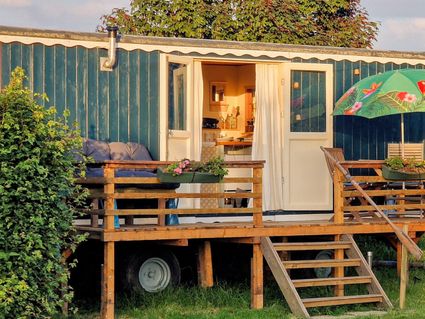
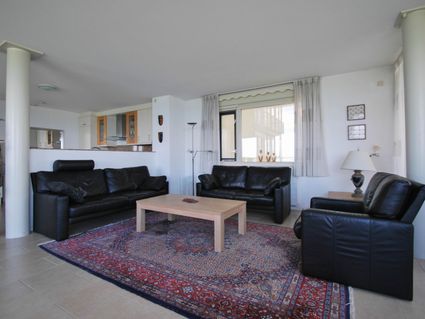
Recreatiepark de Bosrand - Chalet Bosrand 4p
Recreatiepark de Bosrand - Chalet Bosrand 4p Oudemirdum
-
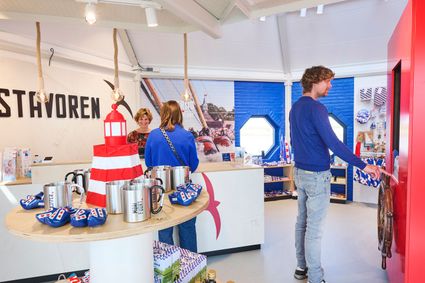
Johan Friso locks
Johan Friso locks Stavoren
-
Church of Hindeloopen
Church of Hindeloopen Hindeloopen
-
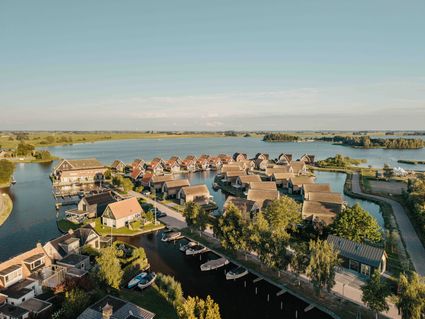
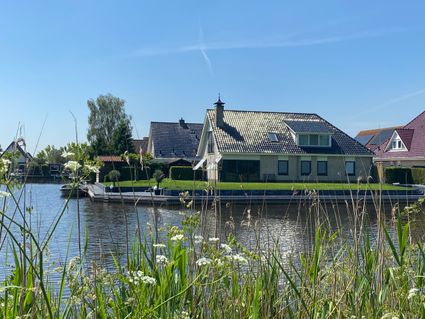
Vakantiewoningen Gaasterland
Vakantiewoningen Gaasterland Oudemirdum
-
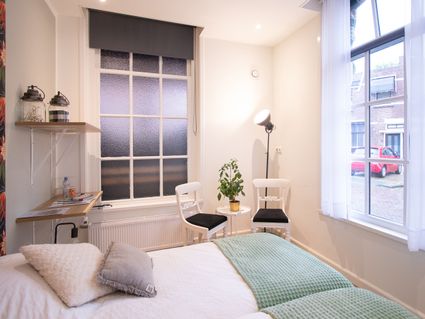
Jantje Slot Hoeve - Lakenvelder ruime 2 persoonskamer
Jantje Slot Hoeve - Lakenvelder ruime 2 persoonskamer Oosterzee
-
Geeuwpoldermolen Oppenhuizen
Geeuwpoldermolen Oppenhuizen Oppenhuizen
-
Gerbrandy Memorial Sneek
Gerbrandy Memorial Sneek Sneek
-
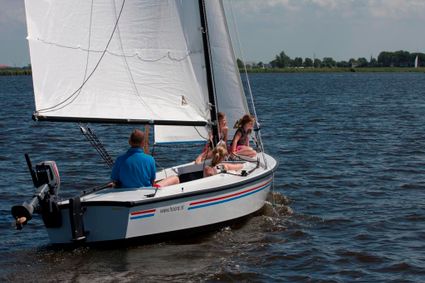
Sanzi Yacht Charter - Henni
Sanzi Yacht Charter - Henni Sneek
-
Strandje Put van Nederhorst
Strandje Put van Nederhorst Joure
-
Huisboot Vakanties - VaarLoft 'Pur Sang'
Huisboot Vakanties - VaarLoft 'Pur Sang' Offingawier
-
Memorial stone for Fallen Canadians
Sunday 15 April 1945, Friesland's official liberation day, was also the day Sneek welcomed the Canadian liberation forces. It had been an exciting day, and the Dutch Domestic Armed Forces (NBS) had fought quite a battle with the occupiers.
A day earlier, German troops had begun to withdraw from Sneek and the NBS had tried to hinder their retreat along the Leeuwarderweg as much as possible. Until a column of German parachute troops had entered the fray and forced the NBS to retreat.
The Waag building in the middle of the city centre was used as a weapons cache by the occupying forces during the war. To prevent it from falling into Allied hands, the fleeing troops set it on fire at around three o'clock on Sunday. Loud explosions and bangs resounded throughout the city for half an hour.
Once the enemy had left the city, the NBS operatives gathered at the HBS school for instructions and the distribution of weapons and armbands. They went into the city to round up traitors. Then, rumour had it that hundreds of German soldiers were on their way to Sneek from Lemmer. Immediately, fortifications were built at the Water gate.
Canadian units were alerted. They were now in possession of the latest defence plans for Sneek thanks to NBS intelligence and were advancing from Joure towards the town.
In the evening around half past seven, the first patrol of the Canadian infantry battalion Le régiment De La Chaudière rode into town with flame-throwers and machine guns. The German troops stayed away, and the full Canadian battalion followed.
Sneek was liberated, but freedom was not yet guaranteed as German troops tried to escape via the Afsluitdijk towards Friesland. The Canadian Regiment of the Queens Own Rifles moved through Sneek to the Afsluitdijk and fiercely fought at Wons. Six Canadian soldiers were killed. They were temporarily buried at Sneek General Cemetery. In 1946, they were reburied at the Canadian Field of Honour in Holten.
Canadian guests
While waiting to return to their homeland, hundreds of Canadian soldiers were lodged with families in Sneek for about five months. On 1 June, the Perth Regiment arrived in the town, which they temporarily renamed Stratford. They were involved in the liberation of Groningen. A committee was set up to entertain the soldiers with various activities. From dances to sailing competitions and special church services.Cordial ties developed between the liberators and the people of Sneek. And sometimes more than that. For Gordon C. Compton and Atty Bouma, one could even speak of "love at first sight". When the last soldiers return home at the end of November, Gordon decided to stay in the Netherlands. On 9 May 1946, he married Atty in Sneek. Not long after, Gordon and his "war bride" left for Canada.
Several monuments in the city recall the special bond with the Canadian military, which remains very close to this day.
Sneek
-
B&B De Scharren
B&B De Scharren Scharsterbrug
-
Bell tower Teroele
Bell tower Teroele Teroele
-
Slotermeer (Sleattemer Mar)
Slotermeer (Sleattemer Mar) Balk
-
Monument Gaele Visser
On May 2, 2015, a monument was unveiled here for the Frisian-Canadian soldier Gaele Visser, born in Haskerhorne in 1920 and emigrated to Canada in 1930. Gaele Visser enlisted in the Canadian army in 1942, specifically in the Algonquin Regiment. He fought in the liberation of Western Europe and was killed on April 23, 1945, near Oldenburg (Germany).
He is buried at the Canadian War Cemetery in Holten. The monument provides information about both his private life and military career.
Haskerhorne
-
Es-ster
Es-ster Bolsward
-
Plot Mientwei 8, “Hâld Moed”
Plot Mientwei 8, “Hâld Moed” Hemelum
-
De Kaai corn mill
De Kaai corn mill Sloten FR
-
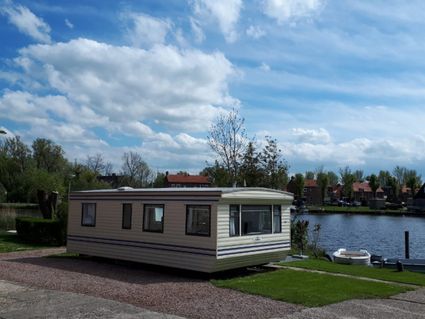
Camping it Krúswetter - Stacaravan Skries
Camping it Krúswetter - Stacaravan Skries Easterlittens
-
B&B de Rode Baron
B&B de Rode Baron Lemmer
-
Yachtcharter Wetterwille - Multivlet 1100 Ymkje
Yachtcharter Wetterwille - Multivlet 1100 Ymkje Terherne
-
Fierljepschans IJlst
Fierljepschans IJlst IJlst
-
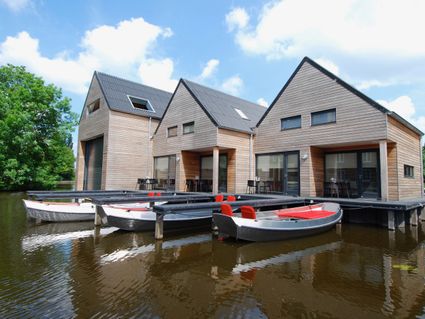
Aan het Water - Wetterhaghe
Aan het Water - Wetterhaghe Heeg
-
Motorboten - FB 950 Kuinder
Motorboten - FB 950 Kuinder Koudum