locations
1 to 24 of 2281 results
-
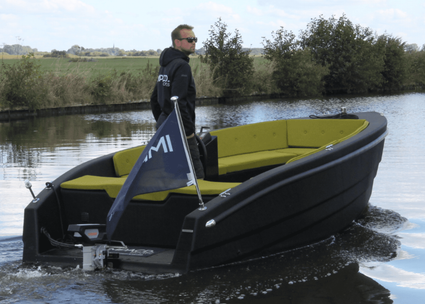
Woodssteps Packraften
Woodssteps Packraften Rijs
-
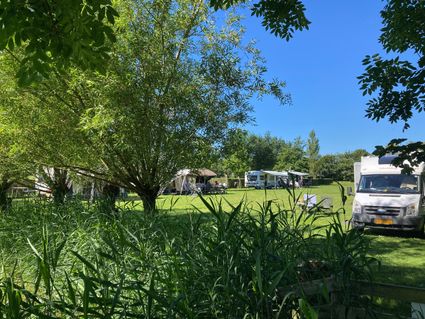
Camping de Achte
Camping de Achte Wommels
-
De Mindfulgids
De Mindfulgids Lemmer
-
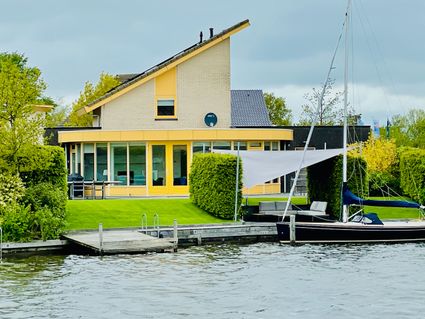
Summio Havenresort Terherne - Havenzicht 4
Summio Havenresort Terherne - Havenzicht 4 Terherne
-
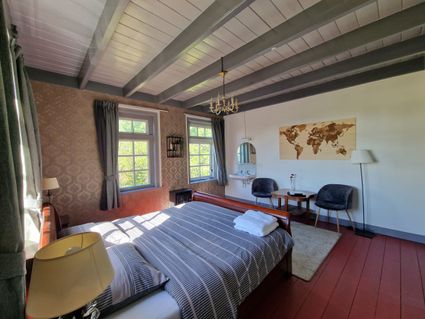
Snoozz Hotels
Snoozz Hotels Bolsward
-
BoerdeRijlst
BoerdeRijlst Sint Nicolaasga
-
Potschar Nature Reserve and Groene Dijk Cycle Track and Footpath
Potschar Nature Reserve and Groene Dijk Cycle Track and Footpath Offingawier
-
Visitor Center and Tourist Information Langweer
Visitor Center and Tourist Information Langweer Langweer
-
E-bike oplaadpunt Stavoren
E-bike oplaadpunt Stavoren Stavoren
-
Yachtcharter De Drait Woudsend - Kotterjacht Antoinette/ Victoria
Yachtcharter De Drait Woudsend - Kotterjacht Antoinette/ Victoria Woudsend
-
De Kop van de Afsluitdijk
De Afsluitdijk was op 18 april nog één van de laatste open routes naar Noord-Holland. De bezetter was er veel aan gelegen om de Canadezen zo lang mogelijk tegen te houden. Toch wisten de Canadezen de Duitse troepen hier in korte tijd en zonder eigen verliezen te verslaan.
In de ochtend van 18 april werd er nog op enkele plekken in Friesland strijd geleverd. De Kop van de Afsluitdijk was nog onder Duitse controle. En ook Makkum was nog niet vrij. Daar zou in de middag de strijd losbarsten. Op de Kop van de Afsluitdijk hadden de Duitse troepen zich stevig ingegraven. Er waren tal van versperringen aangebracht. En de Duitsers hadden veel zogenoemde betonnen ‘Tobruk’ bunkertjes laten aanleggen die meestal door twee militairen met een mitrailleur werden bemand. Ondersteund door ook nog eens een stuk 75 mm. geschut en vele stukken licht luchtafweergeschut wachtten zij de Canadese aanval af. De Canadezen wisten precies wat hun te wachten stond. Het Friese verzet had kaarten gemaakt van de Duitse posities. En met luchtverkenningen was door de geallieerden ook veel informatie verzameld. De Canadezen voelden er weinig voor om grote risico’s te nemen tegen zo’n goed verdedigde positie. Er was bovendien een zeer geringe kans dat er burgers geraakt konden worden. Alvorens de Canadezen de aanval inzetten werd de Kop van de Afsluitdijk daarom beschoten met artillerie. En de geallieerde jagers voerden luchtaanvallen uit. Nederlandse ingenieurs hielden hun hart vast tijdens de beschieting. Zij vreesden voor grote schade aan de Lorentzsluizen.
Op 18 april om 10:00 uur opende het geschut van de Royal Canadian Artillery het vuur. Een half uur later zetten de Queens Own Rifles of Canada de aanval in. Zij ondervonden nog nauwelijks weerstand. De artilleriebeschieting had zijn werk gedaan. De Duitsers waren verslagen. Nadat ook Makkum in de middag alsnog bevrijd werd, waren nu alle vluchtroutes geblokkeerd. Hiermee werd één van de hoofddoelen van de Canadezen bereikt. Met uitzondering van de Waddeneilanden was de hele provincie Friesland op 18 april bevrijd. De vrees van de Nederlandse ingenieurs was niet onterecht geweest. Het bombardement had schade aan de Afsluitdijk veroorzaakt. Maar de meeste schade was daarvoor al toegebracht door Duitse Sprengkommandos. Vanaf medio mei marcheerden nog enkele malen groepen Duitse militairen over de Afsluitdijk. Ditmaal kwamen ze uit Noord-Holland en werden ze afgevoerd naar krijgsgevangenkampen in Duitsland.
Zurich
-
-
Beurtschip Johanna Jacoba
Beurtschip Johanna Jacoba IJlst
-
Eetcafé Tante Sjuul by Anja
Eetcafé Tante Sjuul by Anja Heeg
-
Gallery Aukje de Haan
Gallery Aukje de Haan Sneek
-
Poem 'Graf te Blauwhuis'
The small village of Abbega and the neighbouring hamlet of Abbegaasterketting hid dozens of people in hiding during the war. In February 1945, a raid shocked the small community. Resistance fighter Gerrit Rijpma, 18, was fatally hit in the process. The famous Dutch writer Gerard Reve, who lived next door to a sister of Gerrit Rijpma in nearby Greonterp from 1953 to 1971, was deeply moved by the story of his neighbour's youngest brother. As a tribute to Gerrit, he wrote the poem 'Graf te Blauwhuis'.
According to witnesses, as many people in hiding lived in Abbega and the neighbouring hamlet of Abbegaasterketting as civilians.
Among them were Jewish people in hiding, people who had participated in railway strikes, deserters and young men from the surrounding area who wanted to avoid forced labour. Weapons for the resistance were also hidden there.
Abbegaasterketting was located next to the Bolswardervaart canal, and the absence of paved roads made access difficult. In addition, the inhabitants had implemented an ingenious alarm system: by means of an electric bell, people warned each other when something was wrong, and two people in hiding were on guard every night.
On 8 February 1945, at around half past eleven in the morning, the alarm bell sounded in the Rijpma family home. At that time, the brothers Yp and Gerrit were working in the barn.
When they went outside, they saw a lot of people running away in panic. This is why the brothers decided to sail down the Bolswardervaart, which divides the hamlet in two pieces, in a rowing boat. They hoped that they could get themselves to safety a little bit further on in a bend of the canal, behind the net. On their way there, they picked up their neighbour Minze van der Veen and a person in hiding, who were standing on the other side of the canal. Meanwhile, the German soldiers, aided by members of the Landwacht, a Dutch semi-military organisation, had set off in pursuit and opened fire on the fleeing people. Minze van der Veen was hit in his right elbow. Gerrit was hit three times: one bullet went straight through his body, another lodged in his back, and the third bullet went through his cheeks and teeth. Because the occupiers refused to help, Yp had to carry his dying brother to the boat and take him to a farmhouse nearby all by himself. The help from a woman living in the neighbourhood, who was a nurse, came too late. In great haste, curate Stolwijk of Blauwhuis was sent for, who administered the last rites to Gerrit. He died shortly afterwards. He was buried in the Catholic Cemetery in Blauwhuis.
The famous Dutch writer Gerard Reve, who lived in nearby Greonterp next to a sister of Gerrit Rijpma from 1953 to 1971, was deeply touched by the story of his neighbour's youngest brother. As a homage to Gerrit, he wrote the poem 'Grave in Blauwhuis':
GRAVE IN BLAUWHUIS (for neighbour H., in G.) He ran away, but did not escape, and was hit, and died, eighteen years old. A militant inscription cries out loud, but a sad and silent face looks out from the brown enamelled portrait. Still a child. Goodbye dear boy. You, who are King, of this and that, of whatever, yes, You, answer me, You know why, I don't. That Kingdom of Yours, remember, will it ever be?
In 1983, the mortal remains of Gerrit were transferred from the cemetery of Blauwhuis to Loenen National War Cemetery.
Greonterp
-
-
Camping Hindeloopen
Camping Hindeloopen Hindeloopen
-
Kapsalon Paula
Kapsalon Paula Heeg
-
Doopsgezinde kerk te Workum
Doopsgezinde kerk te Workum Workum
-
Slachtehiem
Slachtehiem Lollum
-
Brewery Gudzekop
Brewery Gudzekop Goïngarijp
-
Trekkershutten Nijhuizum - 2 persoons trekkershut
Trekkershutten Nijhuizum - 2 persoons trekkershut Nijhuizum
-
Lytsewierrum (Lutkewierum)
Lytsewierrum (Lutkewierum) Lytsewierrum
-
Kuier troch de Jouwer met gids
Kuier troch de Jouwer met gids Joure
-
Ypma's Bakkerij
Ypma's Bakkerij Heeg
- Current page1
- Go to page2
- Go to page3
- Go to page4
- Go to page5
- …
- Go to page96
- Go to the next page